A Look at North Palm Beach Country Club
Posted by Colin on Dec 05, 2025
As part of the series where I take a closer look at local golf courses, today I'm going through everything I could find out about North Palm Beach Country Club.
Provenance:
1926 - Palm Beach developer Paris Singer and entrepreneur Harry Kelsey unveiled a new 18-hole golf course, The Palm Beach Winter Club, designed by Seth Raynor. It was a follow-up to the very popular Everglades Club that Singer had built on Palm Beach Island. The idea was that they would shuttle members, door-to-door by boat from the Everglades Club to the Winter Club.
1928 - Mr. Singer was arrested and charged with criminal fraud related to his business dealings as the president of the Everglades club. The criminal charges were eventually dropped but the civil cases bankrupted him. He fled Palm Beach to live out the rest of his days in Europe. Harry Kelsey became the sole owner of the Palm Beach Winter Club. Harry Kelsey, a Massachusetts restaurateur, had come to Florida with the dream of creating a boom town. Right around the time he gained sole ownership of the Club, the Okeechobee Hurricane of 1928 made landfall near West Palm Beach with sustained winds of 145 mph. At least 2,500 people drowned, and 1,700 homes were destroyed. Harry Kelsey became totally disenfranchised. With his dream shattered and with no hope for recovery, Harry simply left.

1935 - Sir Harry Oakes purchased all the unpaid tax certificates left by Kelsey which included the Winter Club. Oakes used the clubhouse as a part-time residence. In 1943, Oakes moved to the Bahamas and initiated plans to tear down the Winter Club and build homes in its stead, but was murdered in Nassau before his plans came to fruition. The murder was committed under suspicious circumstances, the person charged, Harry’s son-in-law, was acquitted at trial and no other suspect was ever charged. The brutal crime remains unsolved and shrouded in mystery. After the trial, the remaining Oakes family moved out of Nassau and back into the Winter Club clubhouse. They were not particularly fond of golf and used the southern-most holes as pasture for their horses.
1951 - Ralph Stolkin purchased the Club from the Oakes widow with a loan from John D. MacArthur. Soon after the purchase, Ralph was audited by the IRS and was found to have defrauded the Veteran’s Association. The fallout led to Stolkin defaulting on the loan.
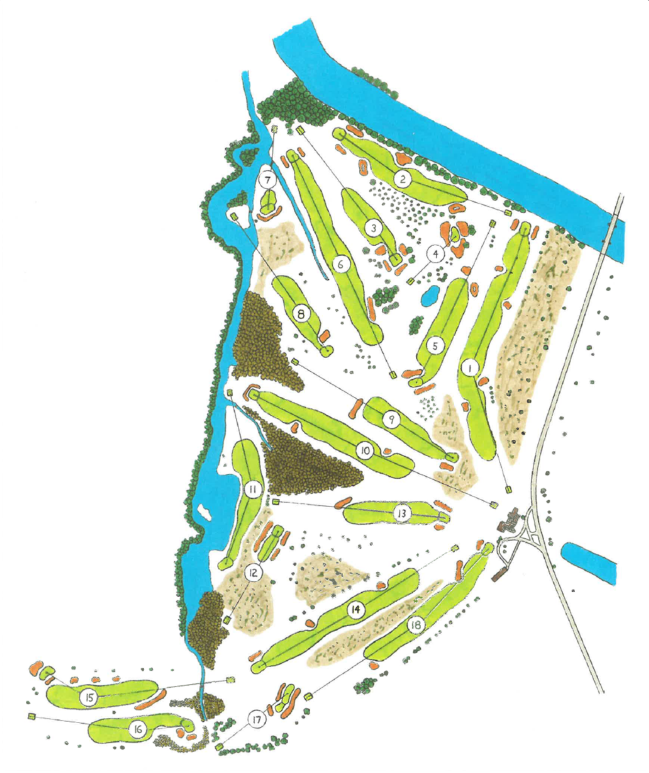
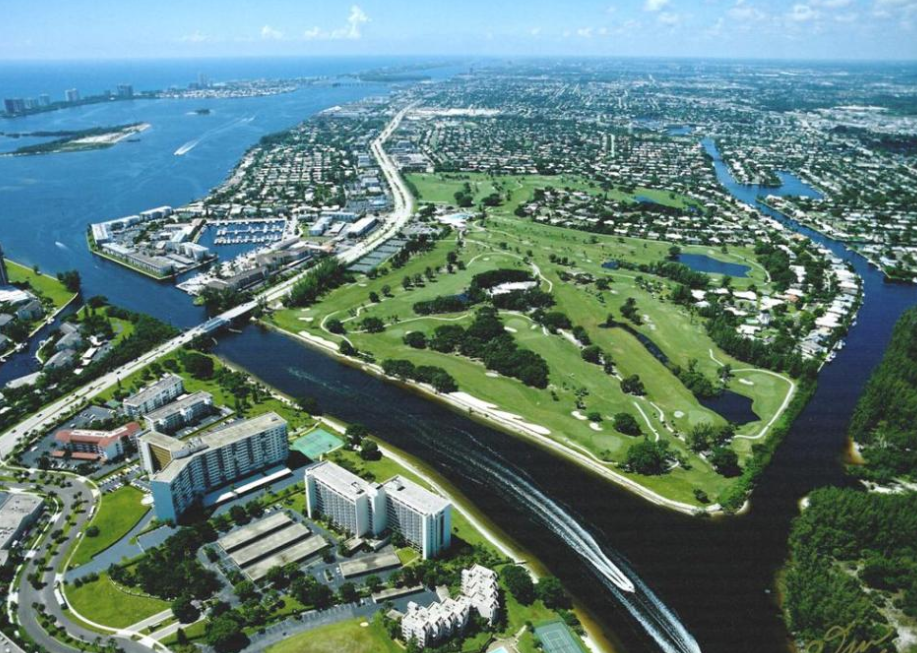
1955 – As a result of the defaulted loan, the Winter Club was relinquished to John D. MacArthur who was not interested in developing the land. He immediately put it up for sale and sold it to Richard and Herbert Ross in 1956 for $5 million. The Ross brothers had a vision of developing North Palm Beach, into an idyllic little town. Plans for the town superseded the golf course, so many of the holes were re-routed to make way for dredged canals and new neighborhoods.
1961 - The Village of North Palm Beach purchased the Winter Club for $1.25 million with a stipulation that they would spend $400,000 to build a new clubhouse.
1962 – The Palm Beach Winter Club was re-opened as the North Palm Beach Country Club.
Designer:
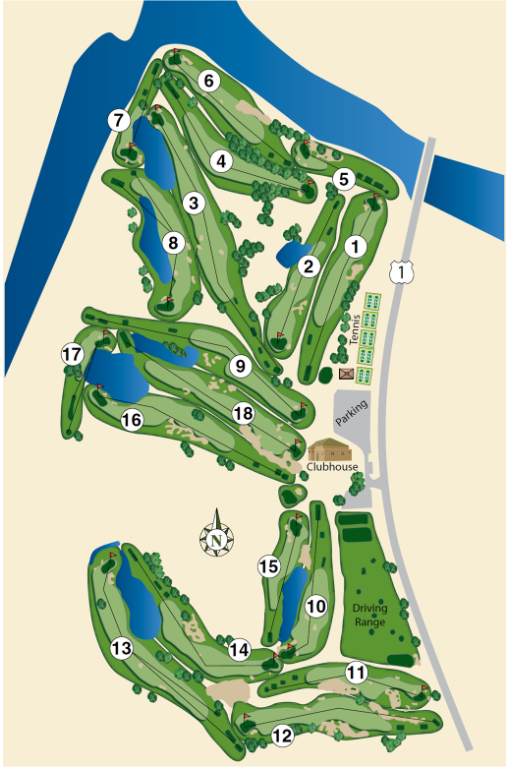
By the early 2000’s, the golf course had gone through so many renovations with differing motives and design philosophies that it was hardly reminiscent of a Seth Raynor design. In 2006, Jack Nicklaus offered his services to redesign the entire course. Having a Jack Nicklaus design earned North Palm Beach Country Club the moniker, Jack Nicklaus “Signature” Golf Course, making in one of only two in the United States. Interesting side note, Jack Nicklaus received $1 for his design services. When asked about it, Jack said, “I have lived in North Palm Beach for more than 35 years. I feel that it’s a good community, a community that has supported me and my family. This was my way to give a little something back to the community and the people who have given me so much. If I am able to do that with a very good, modestly priced golf course for the people of the Village, that brings a certain sense of satisfaction. This has been a fun project, and one of which I am very proud.”
Features:
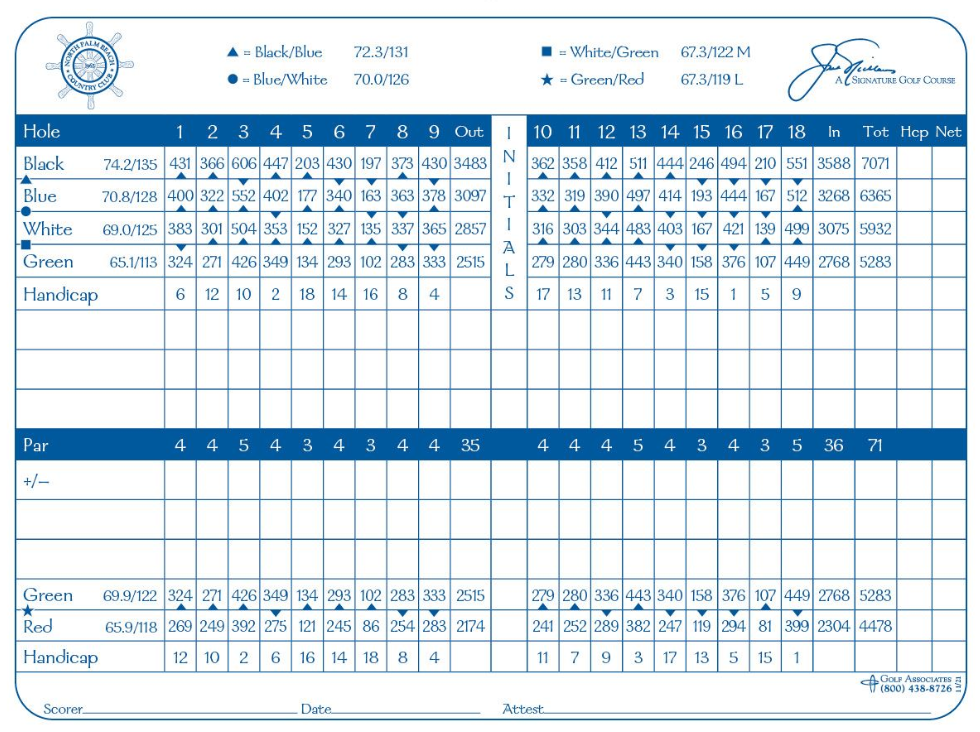
- The course is a par 71
- Six sets of tees to accommodate players of all skill levels
- Over 7,000 yards from the back tees
- Routed on top of the Seminole Ridge sand dune, which gives the course elevation changes that aren’t common to golf in Florida
- One of four golf courses in Palm Beach County that is on the Florida Historic Golf Trail