How to Pack and Ship Golf Clubs | StickHawk
Posted by Colin on Oct 28, 2026
Whether you're trading clubs in, selling a set, or sending them ahead of a golf trip, the goal is the same: get them to their destination without damage. As soon as you hand your clubs over to the shipper it's out of your control, but there are a number of pretty simple things you can do to maximize your probability of success.
Frankly, most shipping damage comes from the same few mistakes. Here's how to avoid them.
What You'll Need
- A sturdy box
- 12x12x48 for full bag sets
- 5x5x48 for drivers
- 4x4x46 for fairway woods and hybrids
- 5x5x40 for mallet putters or shorter clubs
- 4x4x40 for smaller putters and wedges
- Packing paper (for really valuable items, consider bubble wrap)
- Headcovers (if you have them)
- Packing tape
- Rubber bands or zip ties
Pro Tip: Golf shops often have empty club boxes from new shipments and might give you one if you ask politely.
Step-by-Step
1. Clean the clubs - This is optional as far as shipping sans damage goes, but clean your clubs anyway, only a doofus shows up to a round with dirty clubs. Wipe down the heads and grips.
2. Bundle the clubs together - Group the clubs and wrap a couple of rubber bands or zip ties around the shafts. A bundle moves as one piece instead of rattling around. Bundle the irons and wedges together with rubber bands and wrap all the heads together with packing paper. If you shake the box and hear the clicking of heads banging into each other, tighten the rubber bands and/or add more packing paper.
3. Protect every head - The head is the heaviest part and does the most damage when clubs knock together. Put headcovers on drivers, woods, hybrids, and putters.
4. Fill the empty space - Put the bundle in the box and fill every gap with paper or bubble wrap, especially at the head end. This is the step people skip, and it's the one that matters most.
5. Do the shake test - Close the box and give it a firm shake. If you hear or feel anything shifting, open it back up and add more padding. Nothing should move.
6. Tape it and label it - Tape every seam, including both ends. Put your shipping label on the largest flat side and cover or remove any old labels.
7. Take photos and keep your tracking number - Snap a quick photo of your clubs and the packed box before you seal it, and hang on to your tracking number. If anything goes wrong in transit, you'll have proof of how they left.
Common Mistakes to Avoid
Shipping in a golf bag with no box. Bags don't protect clubs from being crushed or dropped.
Leaving heads unwrapped. Clubs knocking together cause most of the dings and scratches.
Too much empty space. A box that's too big with no padding is almost as bad as no box.
Trading In With StickHawk?
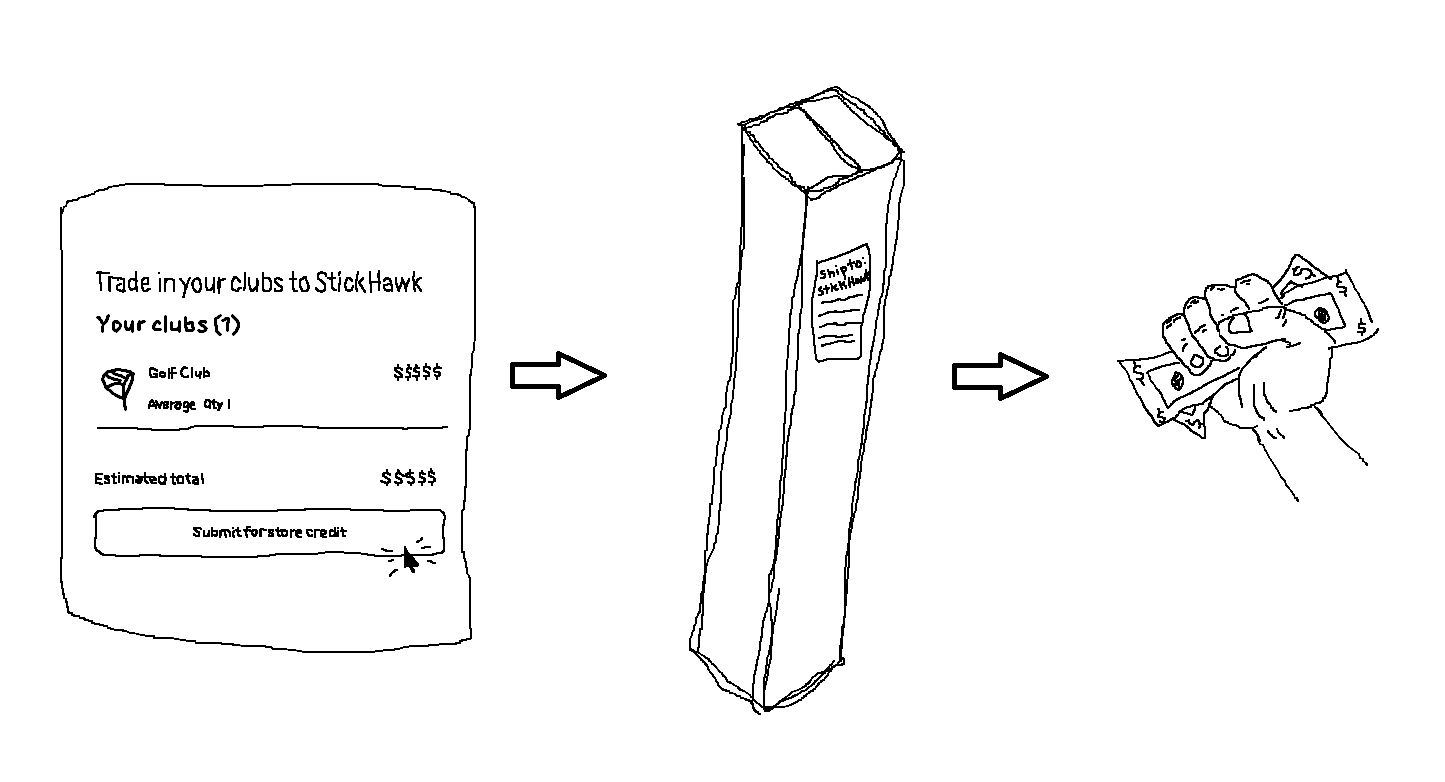
When you trade in your clubs, you'll purchase a $10 shipping label that will be emailed to you. Pack the clubs using the steps above, drop them off or schedule a pickup, and track them to our door.
Once they arrive, every club is hand-inspected and graded, and your store credit is issued. Packing them well means they show up in the same condition you graded them, which means no surprises on your offer.