![What Loft Driver Should I Use? [According to Swing Speed & Skill Level]](https://cdn11.bigcommerce.com/s-ghnp192043/images/stencil/190x250/uploaded_images/screenshot-2026-07-14-at-6.06.18-pm.png?t=1784066786 "What Loft Driver Should I Use? [According to Swing Speed & Skill Level]")
What Loft Driver Should I Use? [According to Swing Speed & Skill Level]
Posted by Bridget Houlihan on Jul 14, 2026
Main image courtesy of Birdie Golf.
Walk into any golf shop and ask about loft drivers, and you'll quickly realize there's no one-size-fits-all answer. The number stamped on your driver's hosel has a bigger effect on your game than most golfers give it credit for — influencing everything from launch angle and spin rate to how far your ball actually travels down the fairway.
The common assumption is that lower loft equals more distance. Tour pros swing with 8° or 9° drivers, so that must be the move, right? Not quite. For the majority of recreational golfers, that logic actually costs yards. The right loft depends on your swing speed, attack angle, skill level, and the kind of ball flight you're trying to produce.
So before you grab whatever's on the rack or copy what your playing partner uses, let's break down exactly how to find the driver loft that's built for your game.
We’re going to break down:
- How to determine your ideal loft
- Other essential factors to consider when it comes to loft that shouldn’t be ignored
- The right loft driver to use based on swing speed and skill
What Is Driver Loft?
Why this is such an important factor to consider before buying a driver

Think of loft as a dial — one you need to set correctly before any of the other variables can work in your favor. Get it right and everything else is easier to optimize. Image courtesy of Explore Asheville.
Driver loft is the angle between the clubface and a vertical line running straight up from the ground. A driver with 10.5° of loft means the face is tilted back 10.5 degrees from vertical. The more loft, the higher the ball launches — simple in concept, but the ripple effects on your game go much deeper than that.
Loft is the primary driver (pun intended) of launch angle — the angle at which the ball leaves the clubface. Higher loft produces a higher launch, lower loft produces a flatter, more penetrating trajectory. But here's where it gets interesting: launch angle isn't just about loft. Your swing speed and attack angle also influence where the ball actually goes after impact, which is why two golfers can hit the same 10.5° driver and see completely different ball flights.
This is where most golfers get tripped up. Loft doesn't just affect how high the ball goes — it directly influences backspin. More loft generates more spin, and spin is a double-edged sword. The right amount of spin keeps the ball in the air and helps it carry further. Too much spin and the ball balloons, losing distance. Too little spin and it falls out of the sky early, robbing you of carry.
For most golfers, the goal is to find a loft that produces an optimal combination of launch angle and spin rate — typically around 12–17° of launch and 2,000–2,800 RPM of spin for maximum distance. That sweet spot looks different for every player depending on how fast they swing and how they deliver the club.
Modern drivers typically range from around 8° on the low end to 15° or higher on the high end, though the most common options you'll find off the rack sit between 9° and 12°. Many drivers today come with adjustable hosels that let you tweak loft by a degree or two in either direction, giving you more room to fine-tune without buying a whole new club.
The Key Factors That Determine Your Ideal Loft
Your ideal loft depends on a few variables, which can lead you to a loft driver that’s right for your swing
Swing Speed: The Starting Point for Everything
If there's one variable that does the heavy lifting when it comes to determining ideal loft, it's swing speed. The faster you swing, the more dynamic loft and spin you generate at impact — which means faster swingers generally need less static loft on the clubface to achieve optimal launch conditions. Slower swingers, on the other hand, need more loft to get the ball up in the air and keep it there long enough to maximize carry distance.
This is why a PGA Tour pro swinging at 115–120 mph can get away with an 8° or 9° driver while a recreational golfer swinging at 80 mph needs something closer to 12° or more. It's not about ego or preference — it's physics. Using too little loft for your swing speed is one of the single most common distance killers among amateur golfers.
A good rule of thumb: the slower your swing speed, the higher the loft you need. We'll break this down in more detail with specific recommendations in the next section.
Attack Angle: The Factor Most Golfers Ignore
Attack angle refers to the direction the clubhead is traveling at the moment of impact — specifically, whether it's moving upward, downward, or level through the ball. It's measured in degrees, with a positive number indicating an upward strike and a negative number indicating a downward one.
This matters enormously for driver loft selection because attack angle and loft work together to create your actual launch conditions. A golfer who hits up on the ball with a +4° attack angle is effectively reducing the spin and increasing the launch of whatever loft they're using. A golfer who chops down on the driver with a -4° attack angle is doing the opposite — adding spin and reducing launch in a way that demands more loft to compensate.
In practical terms, if you sweep the ball off the tee with an ascending blow, you may be able to play a degree or two less loft than your swing speed alone would suggest. If you tend to hit down on the driver the way you would an iron, you'll likely need more loft to counteract the negative effects on launch and spin. Getting your attack angle measured on a launch monitor is one of the most eye-opening things you can do for your driver game.
Spin Rate: Finding the Goldilocks Zone
Spin rate is one of those numbers that means very little until you understand what it's doing to your ball flight — and then it changes how you think about everything. Backspin is what keeps the ball airborne. Without enough of it, the ball loses lift and drops early. With too much, it climbs steeply and then stalls, ballooning well short of where it could have landed.
For most golfers, the optimal spin range with a driver sits somewhere between 2,000 and 2,800 RPM, though this varies depending on swing speed. Higher swing speed players benefit from lower spin (sometimes as low as 1,800 RPM), while slower swing speed players often need more spin to generate adequate carry.
Loft directly influences spin — more loft means more spin, less loft means less. But loft isn't the only lever. Shaft choice, contact location on the face, and attack angle all feed into your spin numbers too. The goal is to use loft as one tool among several to land in that optimal spin window, rather than thinking of it in isolation.
Skill Level and Consistency: The Overlooked Variable
Raw swing speed and attack angle are the most measurable factors, but skill level and consistency deserve a place in this conversation too. Higher handicap golfers tend to have more variability in their swing — inconsistent contact, varying attack angles from shot to shot, and less predictable ball speeds. For these players, a slightly higher loft can act as a margin-of-error buffer, producing more forgiving, playable results even on off-center strikes.
More experienced golfers with repeatable swings can afford to fine-tune their loft more precisely because their contact and delivery are consistent enough to actually feel the difference a degree or two makes. If your swing changes significantly from round to round, optimizing to the tenth of a degree is less useful than finding a loft that holds up across a range of impact conditions.
Skill level also ties into what you're optimizing for. A high handicapper might prioritize getting the ball in the air and keeping it in play. A low handicapper might be chasing maximum distance or a specific ball flight window. Both are valid goals — and both point toward different loft choices.
How These Factors Work Together to Influence what Loft Driver You’ll Use
The important thing to understand is that none of these variables operate in isolation. Swing speed sets a rough baseline, attack angle adjusts it up or down, spin rate tells you whether you've landed in the right zone, and skill level determines how precisely you can dial things in. A change in any one of them can shift your ideal loft by a degree or more.
This is exactly why copying someone else's setup — even a golfer with a similar swing speed — often doesn't work. Two players can have identical clubhead speeds but completely different attack angles and spin tendencies, leading to very different optimal lofts. The only reliable way to account for all four variables at once is to get measured, which is why a proper fitting is worth every penny.
Driver Loft Recommendations by Swing Speed
Consider picking up one of these drivers (with appropriate loft) based on swing speed
85–95 mph → mid loft (10.5°–12°)
TaylorMade Qi35 Driver 12* Fujikura Ventus Blue 2025 5A Senior RH: $407.99
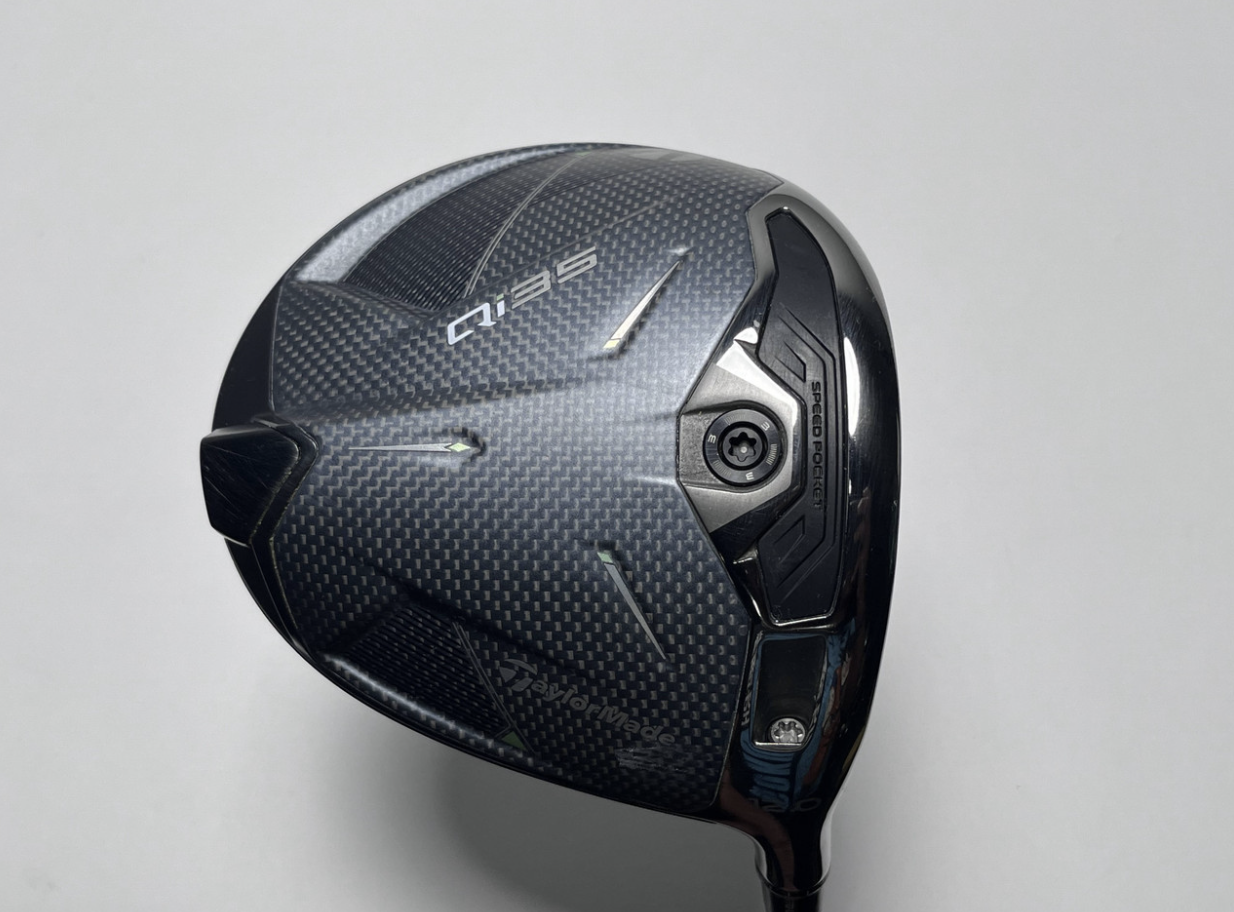
Slower swing speed? Consider a driver that has a mid loft. Image courtesy of Stickhawk.
If you have a slower swing speed, consider going with drivers that offer a mid loft, like this TaylorMade Qi35 Driver 12* Fujikura Ventus Blue 2025 5A Senior RH.
- Men's Right-Handed
- 12 Degrees
- Length at address: 45.5"
- Fujikura Ventus Blue 2025 5A Seniors Flex Graphite Shaft
- Golf Pride Z-Grip Standard Grip in Good condition
- Headcover NOT included
This is in excellent condition, and available at Stickhawk.
95–105 mph → standard loft (9.5°–10.5°)
Cobra OPTM LS Driver 9* Fujikura Pro 70g Extra Stiff Graphite Mens RH HC: $476.39
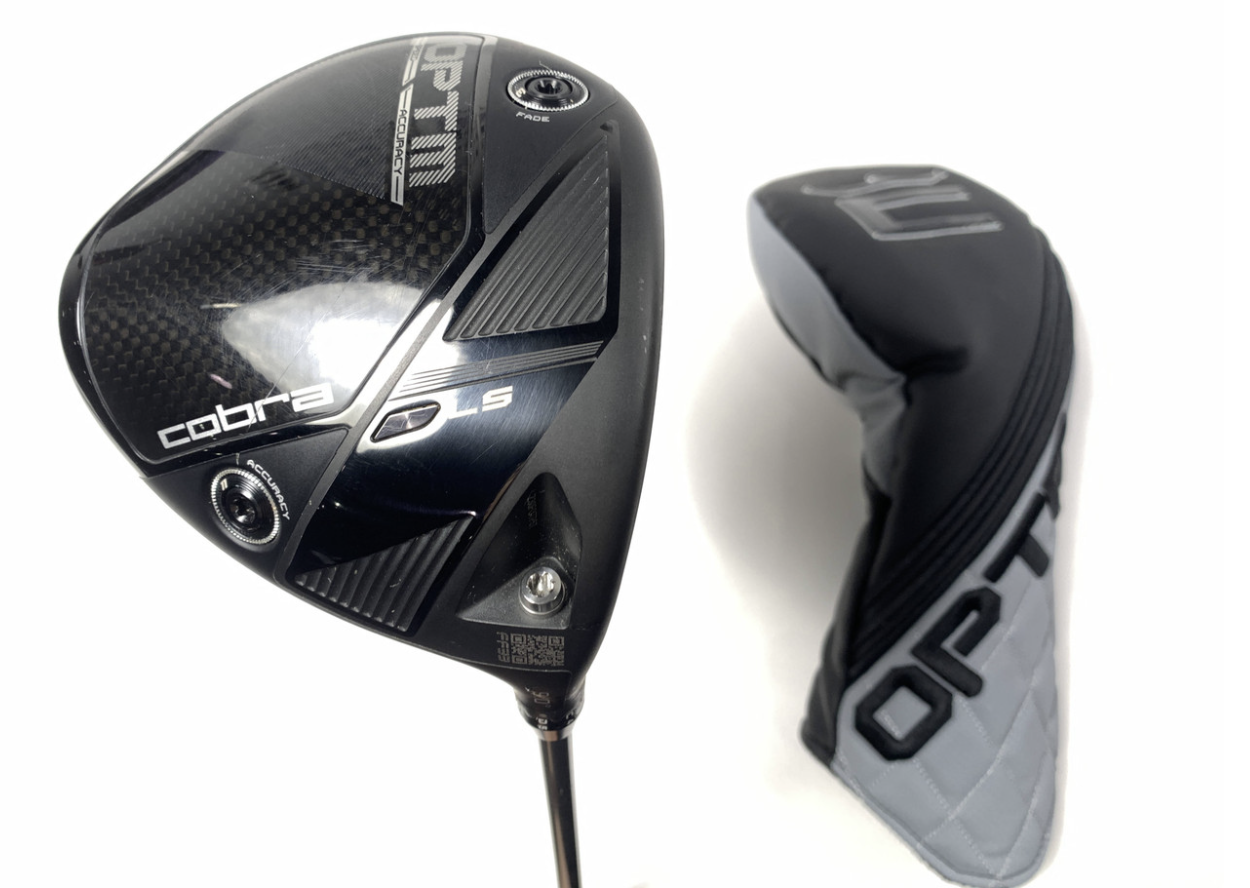
If your speed is a little higher, you might want to look at drivers with a more standard loft. Image courtesy of Stickhawk.
- Men's Right-Handed
- 9 Degrees (Adjustable - Adjustment Tool NOT Included)
- Length at address: 45.25"
- Fujikura Pro Extra Stiff Flex Graphite Shaft
- Lamkin Crossline 360 Standard Grip in Good condition
- Headcover included
- Shaft nWeight: 70 g
The Cobra OPTM LS Driver 9* Fujikura Pro 70g Extra Stiff Graphite Mens RH HC would make a great addition to your collection if you need a driver with standard loft.
105+ mph → lower loft (8°–9.5°)
Titleist TS3 Driver 8.5* Project X HZRDUS Smoke Yellow 6.5 70g XStiff RH HC: $158.19
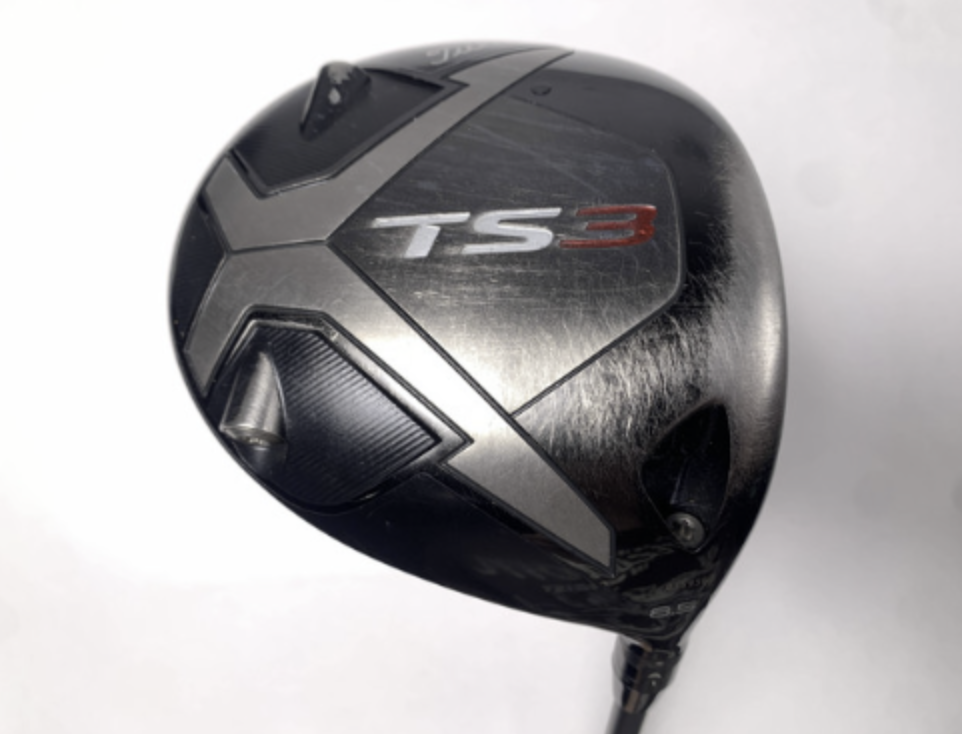
A faster swing means a lower loft. Image courtesy of Stickhawk.
- Men's Right-Handed
- 8.5 Degrees (Adjustable - Adjustment Tool NOT Included)
- Length at address: 45.25"
- Project X HZRDUS Smoke Yellow 6.5 Extra Stiff Flex Graphite Shaft
- Golf Pride Tour Velvet 360 Standard Grip in Good condition
- Headcover included- Tsi headcover
- Shaft Weight: 70 g
The Titleist TS3 Driver 8.5* Project X HZRDUS Smoke Yellow 6.5 70g XStiff RH HC is available and in good condition!
Driver Loft Recommendations by Skill Level
You can also use your skill level to determine what loft is right for you
Beginner (Handicap 25+)
Recommended loft: 12°–15°
Titleist GT280 Mini Driver 13* Project X Denali Blue 6.0 60g Stiff Mens RH HC: $416.99
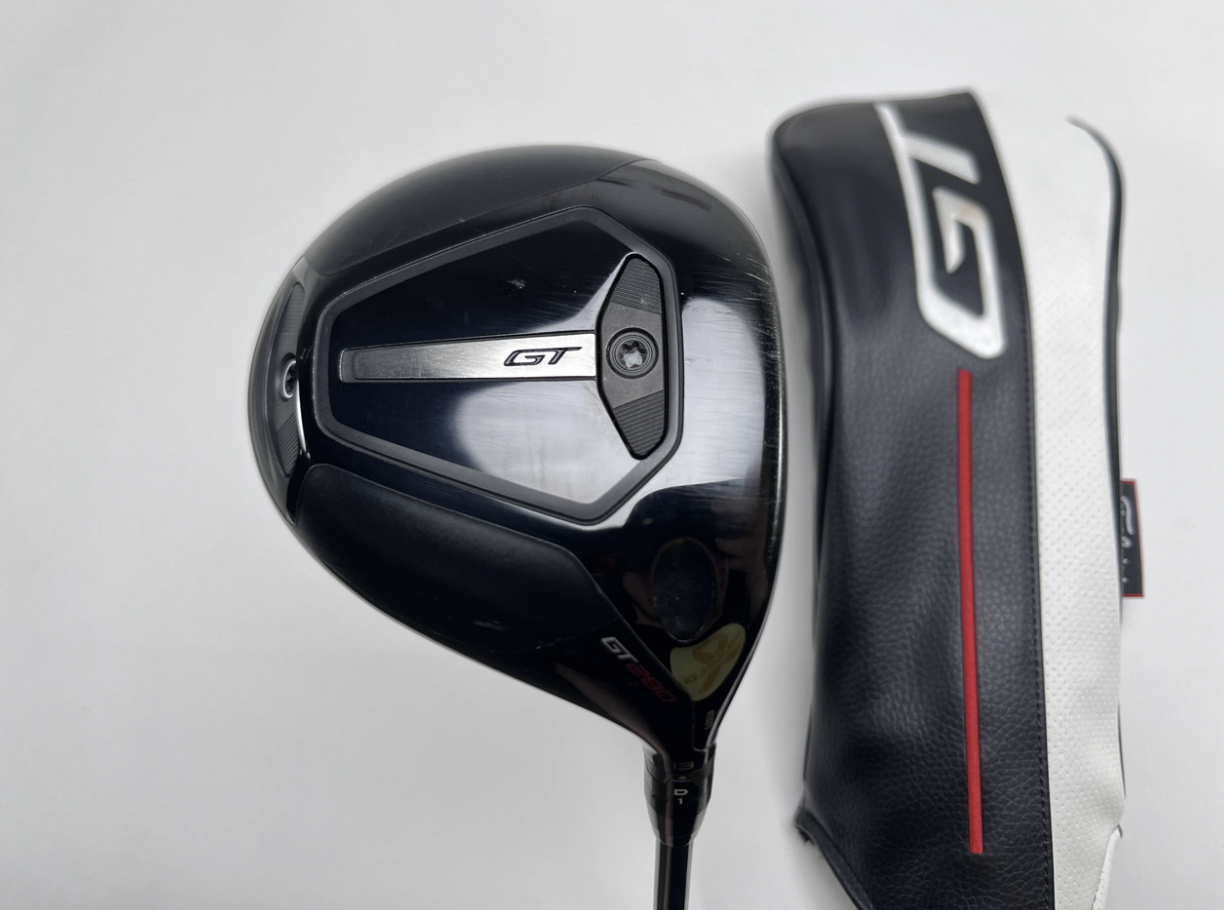
If you’re new to the game, make sure to look for drivers with higher loft. Image courtesy of Stickhawk.
The specs on the Titleist GT280 Mini Driver 13* Project X Denali Blue 6.0 60g Stiff Mens RH HC:
- Men's Right-Handed
- 13 Degrees (Adjustable - Adjustment Tool NOT Included)
- Length at address: 43.5"
- Project X Denali Blue 6.0 Stiff Flex Graphite Shaft
- Golf Pride New Decade Multi-Compound Midsize Grip in Good condition
- Headcover included
- Shaft_Weight: 60 g
Mid Handicapper (Handicap 8–14)
Recommended loft: 10°–11.5°
XXIO 13 Driver 11.5* MP 1300 2321 35g Regular Graphite Mens RH HC: $243.99
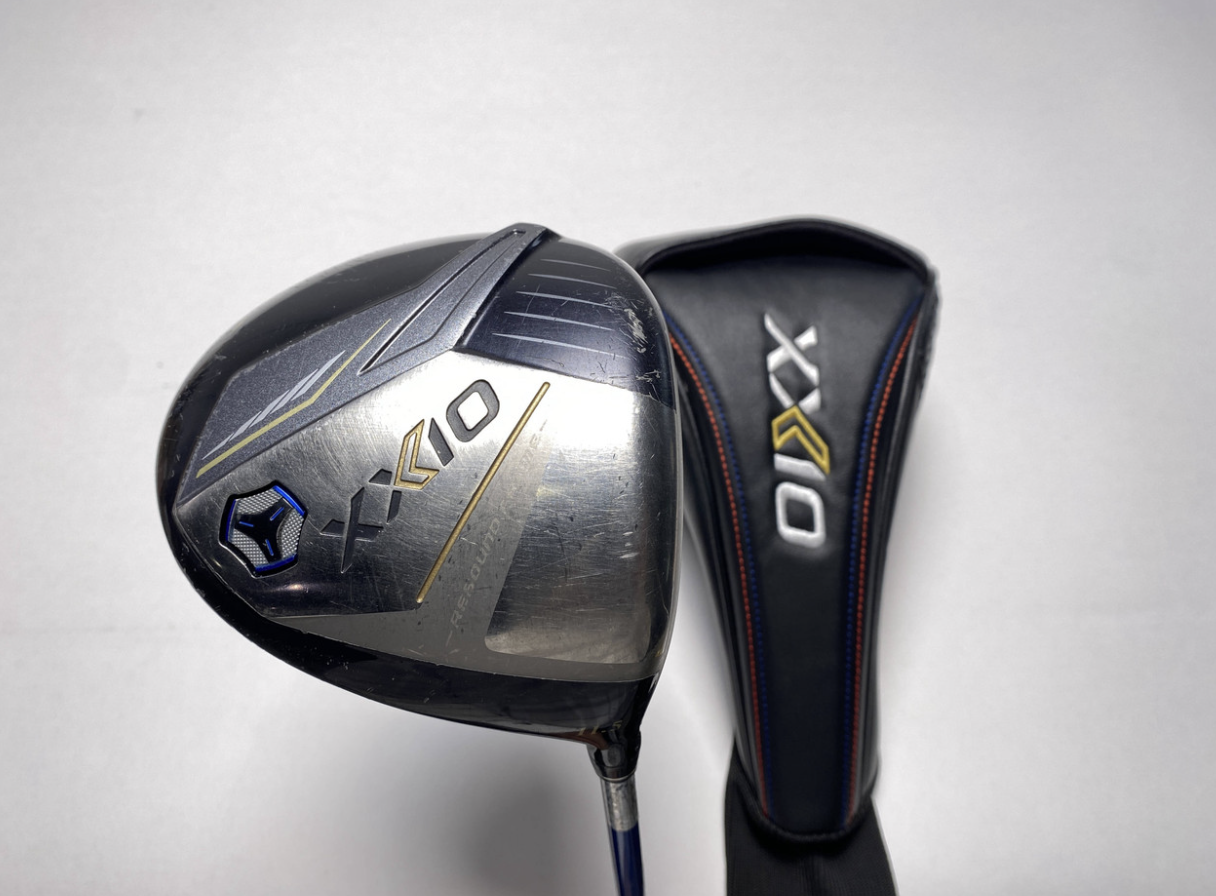
Have a little more experience? Check out this driver. Image courtesy of Stickhawk.
Look into the XXIO 13 Driver 11.5* MP 1300 2321 35g Regular Graphite Mens RH HC if you have a little more experience.
- Men's Right-Handed
- 11.5 Degrees
- Length at address: 46"
- XXIO MP 1300 2321 Regular Flex Graphite Shaft
- Stock XXIO Standard Grip in Good condition
- Headcover included
- Shaft_Weight: 35 g
Low Handicapper (Handicap 3–7)
Recommended loft: 9°–10.5°
Callaway Elyte Driver 9* Project X Denali Frost 5.5 50g Regular Graphite Mens RH: $359.99
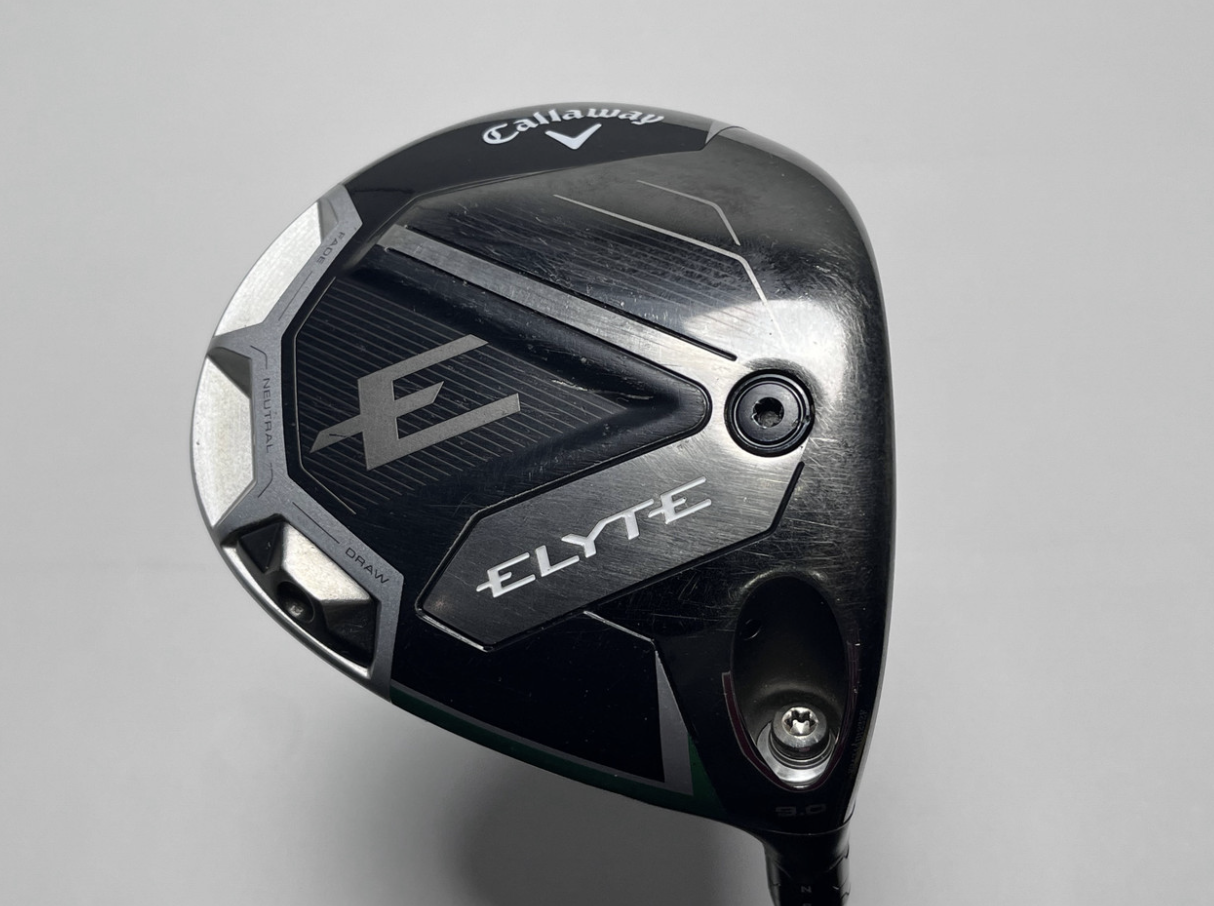
If you golf consistently and have the skill level to match, make sure to pick up a driver with a lower loft. Image courtesy of Stickhawk.
The specs on this Callaway Elyte Driver 9* Project X Denali Frost 5.5 50g Regular Graphite Mens RH include:
- Men's Right-Handed
- 9 Degrees (Adjustable - Adjustment Tool NOT Included)
- Length at address: 45.5"
- Project X Denali Frost 5.5 Regular Flex Graphite Shaft
- Golf Pride Tour Velvet 360 Standard Grip in Good condition
- Headcover NOT included
- Shaft Weight: 50 g
Find the Right Loft Driver for You at Stickhawk
Finding the right driver loft isn't about copying tour pros or grabbing whatever looks good in the shop. It comes down to your swing speed, attack angle, spin rate, and skill level — four variables that combine differently for every golfer. Whether you're a beginner who needs 13° to get the ball airborne or a low handicapper fine-tuning spin with a 9.5°, the right loft is out there — and it's worth finding at Stickhawk.


![What Loft Driver Should I Use? [According to Swing Speed & Skill Level]](https://cdn11.bigcommerce.com/s-ghnp192043/images/stencil/{:size}/uploaded_images/screenshot-2026-07-14-at-6.06.18-pm.png)


